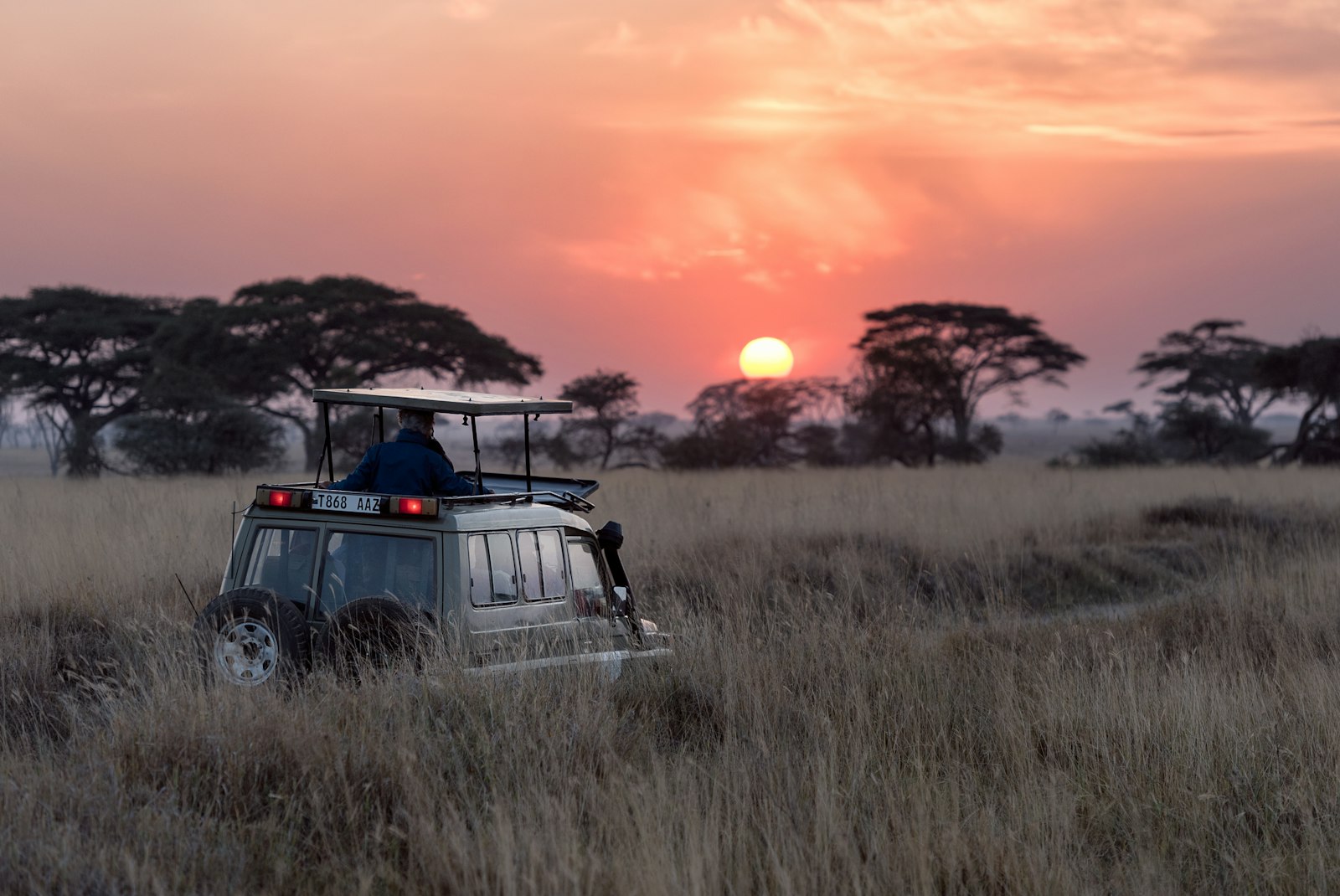
Faced with the accelerating crisis of the Sixth Mass Extinction, conservation biology deploys two complementary, synergistic strategies to prevent species annihilation: In-Situ Conservation (protecting wild organisms within their natural native habitats) and Ex-Situ Conservation (safeguarding vulnerable taxa outside their native environments in captive facilities, seed vaults, and cryobanks). Both approaches are vital components of modern global biodiversity rescue.
When an endangered species declines toward the precipice of extinction, conservationists face urgent strategic decisions. Should resources be focused entirely on defending remaining wilderness habitats against poachers and illegal loggers, or should remaining individuals be evacuated into captive breeding programs to prevent sudden catastrophic eradication? The answer is rarely an either-or dichotomy; effective conservation requires a seamless, coordinated integration of both in-situ and ex-situ methodologies.
In this authoritative guide, we analyze the philosophical, ecological, and genetic foundations of in-situ habitat defense, examine modern ex-situ technological innovations ranging from cryogenic biobanking to genomic seed vaults, compare financial and genetic trade-offs, and detail landmark reintroduction success stories.
1. In-Situ Conservation: Safeguarding Life Within the Crucible of Nature
In-situ conservation (Latin for ‘on-site’) refers to the preservation of genetic resources and biological species within their natural native ecosystems. It represents the universally preferred gold standard in conservation biology because it preserves not merely the organism, but the dynamic evolutionary processes, symbiotic relationships, and natural selection pressures that shape the species over deep time.
In-situ strategies operate through hierarchically structured protected area networks recognized by the International Union for Conservation of Nature (IUCN):
- Category Ia & Ib (Strict Nature Reserves & Wilderness Areas): Strictly set aside to protect biodiversity and geological features, where human visitation, use, and impacts are strictly controlled and limited to scientific research.
- Category II (National Parks): Large natural or near-natural areas set aside to protect large-scale ecological processes along with associated species, managed simultaneously for spiritual, scientific, educational, and recreational opportunities (e.g., Yellowstone, Serengeti).
- Category IV (Habitat/Species Management Areas): Areas managed through active human intervention—such as controlled burning or invasive weed removal—to maintain specific rare habitat stages or species requirements.
- Biosphere Reserves (UNESCO MAB): Model landscapes divided into three concentric spatial zones: a strictly protected Core Area, an adjacent Buffer Zone for low-impact research and education, and an outer Transition Area where local communities engage in sustainable agriculture and economic development.
2. Ex-Situ Conservation: The Evolutionary Noah’s Ark
Ex-situ conservation (Latin for ‘off-site’) involves the removal of threatened organisms, seeds, gametes, or genetic tissues from their natural native environment to be maintained and propagated under controlled, artificial human custody. It serves as an emergency biological backup when wild habitats become temporarily untenable due to warfare, poaching, invasive pathogens, or total habitat loss.
A. The Millennium Seed Bank and the Svalbard Global Seed Vault
Plant genetic preservation represents one of ex-situ conservation’s greatest achievements. Under precise moisture dehydration (15% relative humidity) and sub-zero storage (-20°C), seeds from over 80% of vascular plants (orthodox seeds) can remain viable for centuries. The Svalbard Global Seed Vault, carved 120 meters deep into Arctic permafrost on the Norwegian archipelago of Spitsbergen, holds duplicate backup samples of more than 1.1 million agricultural crop seed accessions, safeguarding humanity’s food security against nuclear warfare or cataclysmic climate change.
B. Frozen Zoos and Cryogenic Gamete Banking
For endangered animals, facilities like the San Diego Zoo Wildlife Alliance maintain a Frozen Zoo: cryogenic vats storing living viable cell lines, skin fibroblasts, sperm, and oocytes preserved in liquid nitrogen at -196°C (-320°F). These frozen cells hold the genetic diversity of hundreds of extinct or critically endangered species. In 2020, scientists successfully cloned an endangered black-footed ferret (named ‘Willie Mae’) using cryopreserved cells frozen in 1988, injecting decades of lost genetic diversity back into a critically inbred population.
C. Captive Breeding and Species Survival Plans (SSPs)
Modern accredited zoological institutions no longer collect wild animals for entertainment. Instead, they coordinate international Species Survival Plans (SSPs) using computerized genetic studbooks. Scientists calculate kinship coefficients to pair mates that minimize inbreeding and maximize genetic heterozygosity across the global captive population.
Analytical Comparison: In-Situ vs. Ex-Situ Methodologies
3. Captive Breeding Pitfalls: Artificial Selection and Behavioral Loss
While ex-situ programs prevent immediate physical extinction, they introduce insidious evolutionary distortions:
- Inadvertent Domestication: In captivity, individuals that are docile, calm around human keepers, and tolerant of artificial food thrive and reproduce easily. Over generations, alleles favoring wild anti-predator vigilance, aggressive foraging, and territorial competition are lost through unintentional artificial selection.
- Loss of Culturally Transmitted Knowledge: In intelligent, social vertebrates (such as elephants, primates, cranes, and cetaceans), survival behaviors are not purely genetic; they are culturally taught by matriarchs and elders. Captive-born animals often fail to recognize native predators, lack complex vocal dialects, and cannot navigate continental migration corridors.
- Recalcitrant Seeds: Not all plants can be stored in seed banks. Over 20% of tropical rainforest trees (such as oaks, mangoes, avocados, and rubber) produce ‘recalcitrant seeds’ that die instantly if dried or frozen, requiring labor-intensive living tissue culture or living arboretums.
4. Landmark Reintroduction Triumphs: From Captivity to Wilderness
The ultimate goal of ex-situ conservation is not permanent captivity, but successful reintroduction into restored native wild habitats:
- The California Condor (Gymnogyps californianus): In 1987, lead poisoning and hunting reduced the global wild population to just 22 individuals. In a desperate gamble, all 22 survivors were captured. Intensive captive breeding at San Diego and Los Angeles Zoos—using hand puppets to feed chicks without human imprinting—grew the population to over 500 birds today, with more than 300 flying wild over the American Southwest.
- The Arabian Oryx (Oryx leucoryx): Declared completely extinct in the wild by 1972 due to motorized machine-gun hunting. Operation Oryx pooled captive animals from zoos worldwide to form a breeding herd in Phoenix, Arizona. Descendants were successfully reintroduced into reserves across Oman, Saudi Arabia, and the UAE, becoming the first animal in history to revert from ‘Extinct in the Wild’ back to ‘Vulnerable’.
- Przewalski’s Horse (Equus ferus przewalskii): The last truly wild horse went extinct in the wild in the Mongolian steppes in the 1960s. Meticulous breeding across European zoos saved the lineage from just 12 founders. Today, hundreds of wild herds gallop freely across the protected steppes of Hustai National Park.
5. The One Plan Approach: Unified Integrated Conservation
Recognizing that neither in-situ nor ex-situ conservation can succeed alone, the IUCN Conservation Planning Specialist Group (CPSG) pioneered the One Plan Approach. This framework mandates that from the moment a conservation initiative begins, wild field biologists, government reserve rangers, captive breeding geneticists, community elders, and reproductive physiologists collaborate on a single unified conservation plan.
Under the One Plan framework, captive populations serve as active genetic reservoirs, infusing rare alleles into struggling wild populations via artificial insemination or captive-release, while wild field observations provide immediate feedback to optimize captive care and behavioral conditioning.
6. Frequently Asked Questions (FAQs)
Q1: What are ‘recalcitrant seeds’?
Recalcitrant seeds are seeds that cannot withstand drying and freezing. Unlike ‘orthodox seeds’ which can be dehydrated to low moisture levels and stored at -20°C for centuries, recalcitrant seeds lose viability and die if desiccated. They must be conserved as living plants in botanical gardens or via cryogenic shoot-tip preservation.
Q2: Why was the California condor fed with hand puppets in captivity?
Young condor chicks undergo ‘imprinting’—an irreversible psychological attachment to the first moving creature that feeds them. If human keepers fed them directly, the birds would associate humans with food, losing all fear of people and becoming unviable for release into the wild. Keepers used lifelike leather puppet heads of adult condors to ensure chicks imprinted exclusively on their own species.
Q3: Can de-extinction via cloning solve the biodiversity crisis?
No. De-extinction technologies (such as CRISPR editing and somatic cell nuclear transfer) are technically fascinating, but they produce individual genetic curiosities rather than functioning, ecologically integrated wild populations. Furthermore, resurrected animals require intact wild habitats to survive; without preserving in-situ ecosystems, de-extinct species would remain trapped in permanent captivity.
In-situ and ex-situ conservation represent the two indispensable arms of modern biodiversity defense. While in-situ reserves defend living habitats and ongoing evolutionary selection, ex-situ repositories provide the crucial genetic safety nets needed to rescue critically endangered taxa and fuel successful ecological rewilding.
9. Global Comparative Case Studies and Field Methodologies
Scientific exploration of In-Situ vs. Ex-Situ Conservation: National Parks, Wildlife Sanctuaries, Cryobanks, and Botanical Gardens requires examining long-term empirical field data across diverse continents. Over the past five decades, ecological research stations—such as the Smithsonian Tropical Research Institute, the Long Term Ecological Research (LTER) network, and the European FluxNet system—have gathered millions of quantitative data points that demonstrate how microclimates, species interactions, and human pressures reshape habitat integrity over time.
Standardized field methodologies involve combining permanent forest dynamic plots (typically 50-hectare research quadrats where every tree exceeding 1 cm in diameter is tagged, mapped, and monitored) with eddy covariance flux towers. These towers rise high above forest canopies, measuring the continuous net ecosystem exchange (NEE) of carbon dioxide, water vapor, and heat fluxes between vegetation and the atmosphere at 20-millisecond frequencies, providing absolute empirical confirmation of planetary climate buffering.
Quantitative Field Metrics and Monitoring Parameters
10. Multilateral Policy Frameworks and 2030 Sustainable Development Goals
Preserving the integrity of In-Situ vs. Ex-Situ Conservation: National Parks, Wildlife Sanctuaries, Cryobanks, and Botanical Gardens is intrinsically linked to achieving the United Nations 2030 Sustainable Development Goals (SDGs), particularly SDG 13 (Climate Action), SDG 14 (Life Below Water), and SDG 15 (Life on Land). International conventions, including the Convention on Biological Diversity (CBD) and the United Nations Framework Convention on Climate Change (UNFCCC), now mandate that national ecological action plans formally account for ecosystem services within gross domestic accounting systems.
Furthermore, the emergence of the Taskforce on Nature-related Financial Disclosures (TNFD) is revolutionizing corporate environmental responsibility. Multinational financial institutions and corporations are now legally required to assess, disclose, and actively mitigate their physical supply chain dependencies on wild ecosystems. By aligning private capital allocation with ecological regeneration, humanity is establishing the financial foundations necessary to ensure long-term evolutionary equilibrium across all global biomes.
Addressing the challenges outlined in ‘In-Situ vs. Ex-Situ Conservation: National Parks, Wildlife Sanctuaries, Cryobanks, and Botanical Gardens’ demands a unified three-tiered approach: (1) Immediate legal moratoriums on industrial land conversion in primary frontier wildernesses; (2) Sovereign debt restructuring through debt-for-nature swaps that empower local conservation trusts; and (3) Scaling high-integrity biodiversity credits that directly fund local Indigenous communities and frontline conservation stewards.
In addition to technological monitoring and multilateral treaties, grassroots environmental education serves as the vital cultural catalyst for enduring change. When local communities and academic institutions establish participatory citizen-science observatories, community members actively participate in biodiversity monitoring, water chemistry sampling, and phenological tracking. This democratic approach to scientific discovery transforms local populations from passive observers into passionate, empowered guardians of their ancestral natural heritage.
As we navigate the ecological challenges of the Anthropocene, the choice before humanity is clear: we can continue the trajectory of short-sighted industrial exploitation that destabilizes our planet’s life-support machinery, or we can embrace a profound ecological renaissance rooted in scientific rigor, Indigenous wisdom, and restorative environmental ethics. By protecting intact habitats, restoring degraded landscapes, and honoring the intricate ecological networks that bind all living creatures, we secure a flourishing, biodiverse Earth for generations to come.